
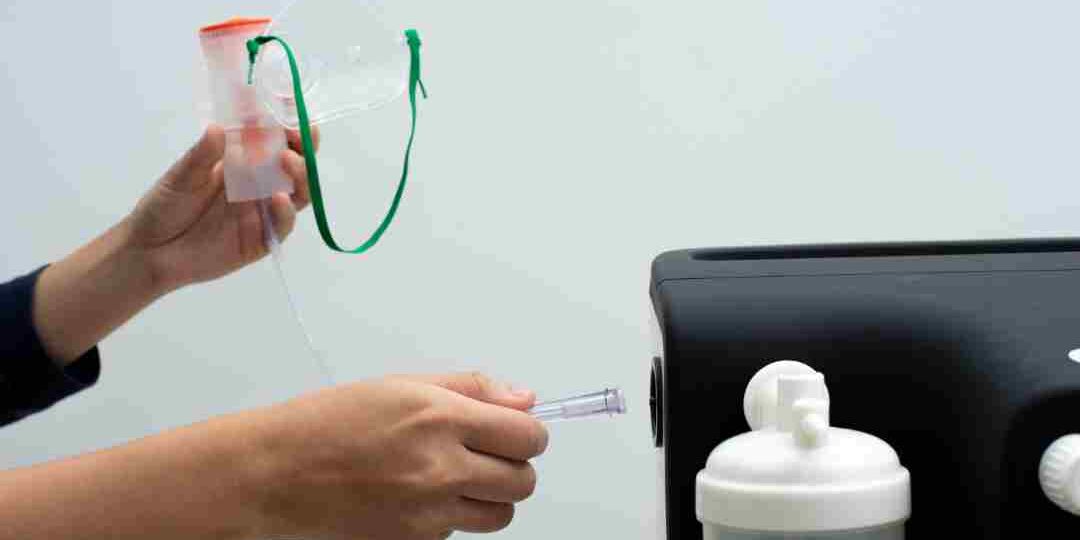
Best Oxygen Machine for Home Use: 2026 Melbourne Guide
Selecting an oxygen machine is a critical health decision that impacts your quality of life and long-term respiratory wellness. Whether you are managing COPD, recovering from a respiratory illness, or supporting a loved one in Melbourne, understanding how these devices function is the first step toward better breathing.
In this comprehensive guide, we explore the nuances of oxygen concentrators, specifically focusing on finding the right oxygen machine for home use within the Australian healthcare landscape. We will cover technical specifications, local availability, and expert tips for maximizing your therapy.
What is an Oxygen Machine?
An oxygen machine, technically known as an oxygen concentrator, is a medical device that pulls in ambient air, filters out nitrogen, and delivers concentrated oxygen to the user. Unlike traditional oxygen tanks, which have a finite supply, a concentrator provides an endless stream of oxygen as long as it has power.
In Australia, these devices are essential for patients requiring Long-Term Oxygen Therapy (LTOT). Because the air we breathe naturally contains approximately 21% oxygen, these machines work to boost that concentration to levels above 90%, ensuring the bloodstream remains adequately saturated.
How a Home Oxygen Machine Works
The internal process of an oxygen machine for home use involves several sophisticated stages:
- Air Intake: The machine draws in air from the room.
- Compression: A compressor increases the air pressure.
- Filtering: Sieve beds containing Zeolite minerals adsorb the nitrogen.
- Delivery: Pure oxygen is delivered via a nasal cannula or face mask.
Types of Oxygen Machines Available in Melbourne
When searching for the right equipment, you will generally encounter two main categories tailored to different lifestyles and medical requirements.
1. Stationary (Home) Oxygen Concentrators
These are the heavy-duty workhorses of respiratory therapy. Designed to run 24/7, they are typically larger and require a continuous connection to a wall outlet.
- Flow Rate: Usually 1–5 Liters Per Minute (LPM), though high-flow models reach 10 LPM.
- Best For: Patients who require high flow rates or overnight therapy.
2. Portable Oxygen Concentrators (POCs)
For those in Melbourne looking to maintain an active lifestyle—visiting the Queen Victoria Market or strolling through the Royal Botanic Gardens—a POC is the ideal solution.
- Power: Operates on rechargeable batteries and DC car adapters.
- Weight: Often between 2kg and 8kg.
| Feature | Stationary Machine | Portable Machine |
| Primary Use | Sleep & Home Rest | Travel & Daily Outings |
| Weight | 13kg – 25kg | 2kg – 8kg |
| Oxygen Delivery | Continuous Flow | Pulse Dose or Continuous |
| Power Source | AC Wall Outlet | Battery / AC / DC |
Benefits of Using an Oxygen Machine for Home Therapy
Investing in a dedicated home setup offers more than just physiological support; it provides psychological peace of mind.
Improved Physical Performance
Higher oxygen saturation allows the muscles and organs to function more efficiently. This reduces the “shortness of breath” sensation during light household activities, allowing users to remain independent longer.
Better Sleep Quality
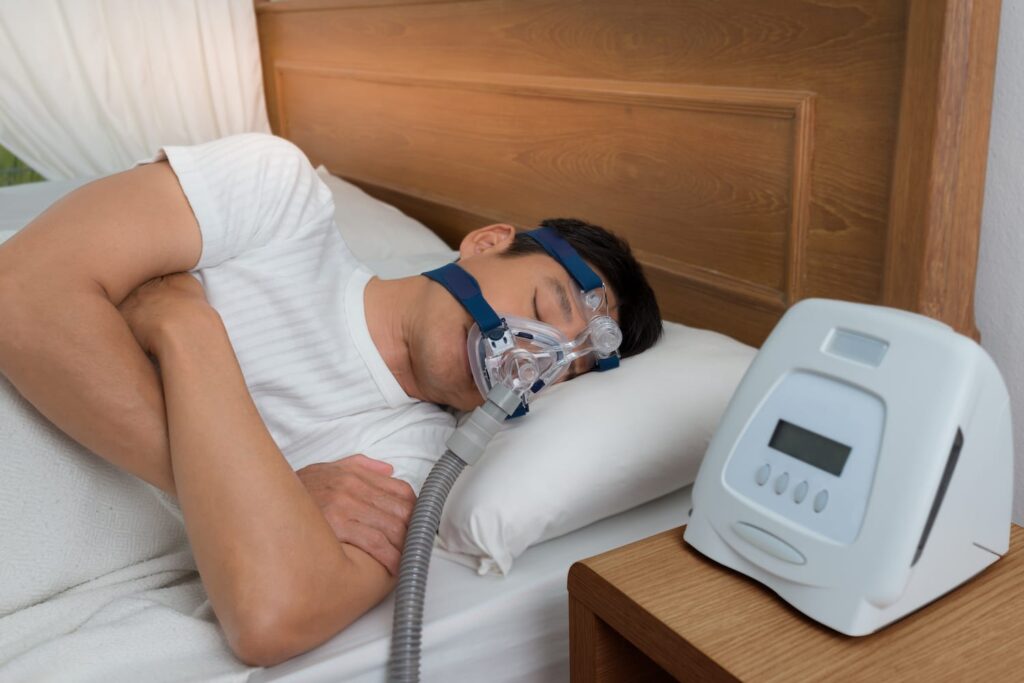
Hypoxemia (low blood oxygen) often worsens during sleep. Using a steady oxygen machine ensures that your brain and heart receive the necessary oxygen levels throughout the night, preventing morning headaches and chronic fatigue.
Enhanced Cognitive Function
The brain is the body’s largest consumer of oxygen. Consistent therapy helps with mental clarity, memory retention, and mood stability, which can often be compromised by chronic respiratory conditions.
Choosing the Right Oxygen Machine: A Step-by-Step Framework
Choosing a device involves more than just price comparison; it requires alignment with your clinical prescription.
Step 1: Confirm Your Liter Flow Requirement
Your doctor or respiratory therapist will prescribe a specific “Liters Per Minute” (LPM) setting. Ensure the machine you choose can comfortably exceed your prescribed limit. If you need 2 LPM, a 5 LPM machine is perfect; a 2 LPM machine would be running at its absolute limit.
Step 2: Determine Delivery Method (Pulse vs. Continuous)
- Continuous Flow: Constant oxygen delivery regardless of breathing patterns. Essential for sleep.
- Pulse Dose: Delivers a “bolus” of oxygen only when you inhale. Common in portable units to save battery.
Step 3: Evaluate Noise Levels
In a quiet Melbourne suburb at night, machine noise matters. Look for units rated under 45 decibels (dB) if you are a sensitive sleeper.
Step 4: Consider Local Maintenance and Support
Ensure the brand you select has a service center in Victoria. Reliable brands like Philips, ResMed, and Inogen have strong support networks across Australia.
Best Practices for Operating Your Oxygen Machine
To ensure the longevity of your device and the safety of your home, follow these professional guidelines:
- Maintain Clearance: Keep the machine at least 30cm away from walls, curtains, or furniture to allow for proper air intake and cooling.
- Clean Filters Weekly: Most machines have a cabinet filter that traps dust. Rinse it in warm soapy water and air dry completely before reinserting.
- Use Distilled Water: If your machine has a humidifier bottle, only use distilled water to prevent mineral buildup and bacterial growth.
- Safety Distances: Never smoke or use open flames (like gas stoves or candles) within 3 meters of an active oxygen source.
Common Mistakes to Avoid
- Using Long Tubing: While 15-meter tubes exist, they can cause a “pressure drop,” meaning you receive less oxygen than the machine displays. Try to keep tubing under 7.5 meters where possible.
- Changing Settings Without Advice: Never increase your oxygen flow without consulting your specialist. Too much oxygen can lead to oxygen toxicity or CO2 retention in some patients.
- Neglecting the Oximeter: Always have a finger pulse oximeter handy to verify that the machine is actually maintaining your saturation levels above the target (usually 92% for most adults).
Internal Linking & Resource Suggestions
To further optimize your site structure, consider these internal links:
- Anchor: [portable oxygen concentrator reviews]
- Anchor: [how to clean oxygen tubing]
- Anchor: [renting vs buying oxygen equipment]
- Anchor: [respiratory specialists in Melbourne]
Authoritative External References:
- Lung Foundation Australia (For patient support and clinical guidelines).
- Therapeutic Goods Administration (TGA) (For regulatory and safety information on medical devices).
Frequently Asked Questions (FAQ)
Do I need a prescription for an oxygen machine in Australia?
Yes. Oxygen is considered a medication. A prescription from a GP or respiratory specialist is required to ensure you receive the correct flow rate and delivery method for your specific condition.
How much electricity does an oxygen machine use?
Modern stationary machines are relatively efficient, typically using about the same power as a standard refrigerator. Portable models use significantly less, primarily for charging batteries.
Can I travel with my portable oxygen machine?
Most POCs are FAA-approved for air travel. However, you must notify your airline at least 48 hours in advance and ensure you have enough battery life for 150% of the flight duration.
How often should I replace my nasal cannula?
For hygiene and performance, it is recommended to replace your nasal cannula every 2 to 4 weeks, or immediately after recovering from a cold or flu.
Can I use a humidifier with my home oxygen machine?
Yes. If you experience dry nasal passages, a humidifier bottle can be attached to most stationary machines to add moisture to the oxygen flow.
Are oxygen concentrators noisy?
Stationary units produce a “humming” sound and a rhythmic “whoosh” from the nitrogen purging. Most modern units are designed to be quiet enough for bedside use.
Conclusion
Finding the right oxygen machine is a transformative step in managing your respiratory health. By focusing on your specific LPM requirements, choosing between stationary and portable models, and adhering to strict maintenance schedules, you can ensure a reliable supply of life-sustaining oxygen.
For residents in Melbourne and across Australia, prioritizing TGA-approved devices and local support will guarantee that your oxygen machine for home use remains a helpful tool for years to come.