
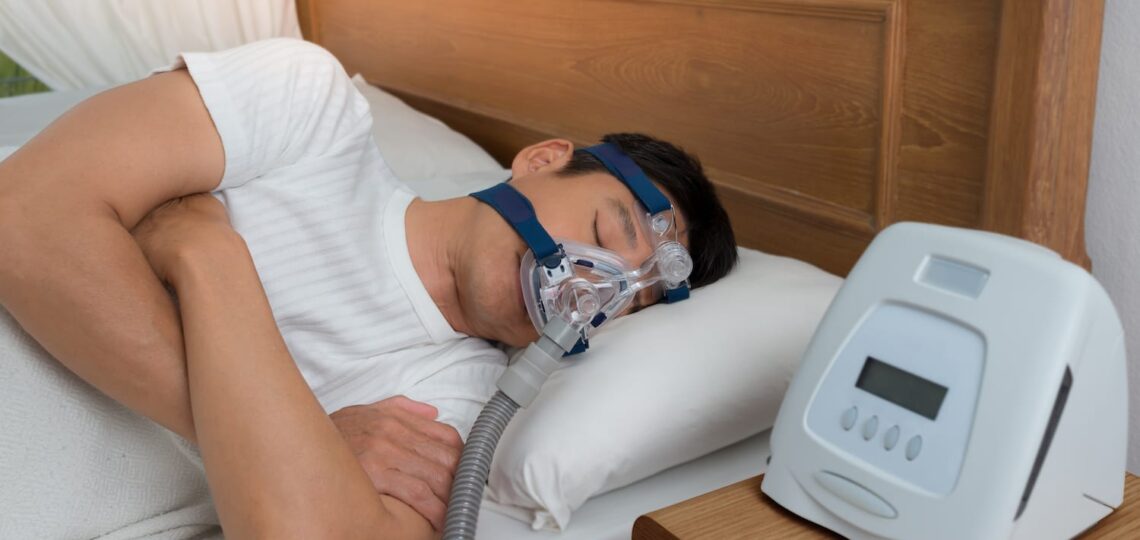
Flying with Oxygen in 2026: FAA Regulations and Airline Requirements
Navigating the skies with supplemental oxygen requires more than just a ticket; it demands a strategic understanding of evolving aviation safety standards. As of 2026, the Federal Aviation Administration (FAA) and the Civil Aviation Safety Authority (CASA) in Australia have streamlined many medical protocols, yet the responsibility for compliance remains firmly with the passenger.
For Australian travelers, “Oxygen in 2026” means balancing the stringent US-based FAA hardware approvals with the specific lithium battery and “fitness to fly” clearances required by carriers like Qantas and Virgin Australia. Whether you are planning a domestic hop to Perth or a long-haul journey to Los Angeles, this guide provides the definitive 2026 framework for seamless air travel with oxygen.
See more: The Ultimate Guide to the Philips EverFlo Oxygen Concentrator: Features and Benefits
What is a Portable Oxygen Concentrator (POC)?
A Portable Oxygen Concentrator (POC) is a medical device that extracts nitrogen from the surrounding air to deliver a high concentration of oxygen to the user. Unlike traditional oxygen cylinders, which store a finite amount of compressed gas, POCs generate oxygen on demand.
Why POCs are the Industry Standard for 2026
In 2026, most major airlines—including Air New Zealand and Qantas—have moved away from providing in-flight oxygen cylinders for a fee, instead encouraging passengers to bring their own FAA-approved POCs.
- Safety: They do not contain pressurized gas, reducing fire risks.
- Autonomy: Passengers are not reliant on airline-supplied canisters.
- Versatility: Most 2026 models feature “Pulse Dose” and “Continuous Flow” settings to adapt to cabin pressure changes.
FAA Approved Oxygen List 2026: Validated Devices
To be used on an aircraft, your device must feature a manufacturer’s label in red lettering stating: “The manufacturer of this POC has determined this device conforms to all applicable FAA acceptance criteria.”
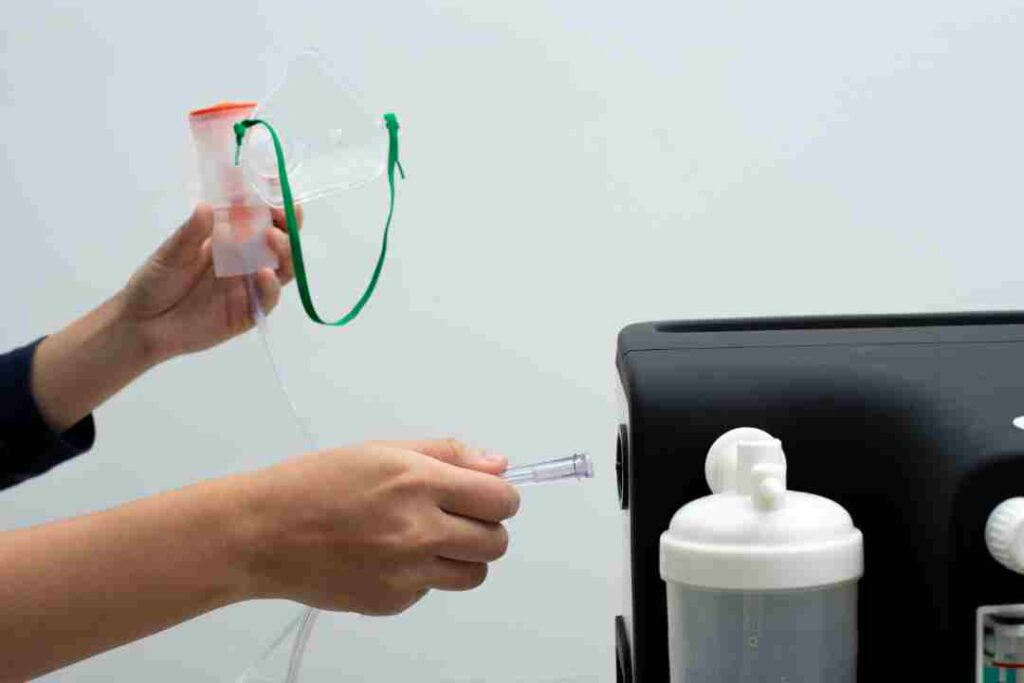
Top Rated FAA-Approved Models for 2026
Based on the latest aviation safety audits, the following models are widely accepted across international and Australian domestic sectors:
| Manufacturer | Model | Flow Type |
| Inogen | Rove 6 / G5 | Pulse |
| CAIRE | FreeStyle Comfort | Pulse |
| Philips | SimplyGo | Pulse & Continuous |
| GCE | Zen-O / Zen-O lite | Pulse & Continuous |
| ResMed | Mobi | Pulse |
| SeQual | Eclipse 5 | Continuous (Heavy Duty) |
Pro Tip: Always verify your specific model’s software version. In 2026, some airlines require POCs to have updated battery management firmware to prevent overheating in high-altitude environments.
Australian Airline Oxygen Policy: Qantas vs. Virgin Australia
While FAA approval covers the hardware, Australian carriers have specific administrative requirements that must be met at least 5 to 7 days prior to departure.
Qantas Oxygen Requirements
- Medical Clearance: A “Travel Clearance Form” signed by your doctor is mandatory if your oxygen use exceeds 80% of your daily routine.
- Battery Rule: You must carry enough battery life to cover 150% of your total flight time (including transit and potential delays).
- In-Seat Power: Qantas does not guarantee in-seat power for medical devices; your batteries must be your primary source.
Virgin Australia Oxygen Requirements
- Notification: You must book through the Guest Contact Centre to ensure your seat assignment allows for POC stowage (usually avoiding bulkhead and exit rows).
- Cylinders: Unlike some international carriers, Virgin Australia still allows specific BOC or Air Liquide cylinders, provided they weigh under 5kg and are stored in approved travel packs.
The 2026 “150% Rule” for Lithium Batteries
One of the most common reasons for boarding denial in 2026 is insufficient battery capacity. Aviation authorities now strictly enforce the 150% Rule.
How to Calculate Your Battery Needs
If you are flying from Sydney to Singapore (approx. 8 hours):
- Flight Duration: 8 hours.
- Safety Margin (50%): 4 hours.
- Total Required Battery Life: 12 hours.
Crucial Update for 2026:
The FAA and CASA have limited individual lithium-ion batteries to a maximum of 160 Watt-hours (Wh). Most “Extended Life” or 16-cell batteries sit right at this limit. You are typically allowed two spares, but any battery between 101Wh and 160Wh requires prior airline approval.
Step-by-Step Process for Stress-Free Travel
Follow this 4-week countdown to ensure you meet all airline oxygen policy benchmarks:
- 4 Weeks Prior: Consult your pulmonologist for a “Fitness to Fly” assessment and a current oxygen prescription.
- 3 Weeks Prior: Confirm your POC is on the FAA approved oxygen list 2026. Check the red label on the back.
- 2 Weeks Prior: Submit your Medical Clearance Form to the airline’s “Specific Needs” department.
- 1 Week Prior: Test all batteries. Fully charge them and run them down to ensure they still hold their rated capacity.
- 48 Hours Prior: Call the airline to confirm they have your medical notes on file.
Best Practices & Advanced Tips
- Avoid the “Pulse” Trap: High altitudes (cabin pressure at 8,000ft) can make it harder for your POC to detect your breath. Ensure your device sensitivity is set correctly.
- Carry-On Exemption: In Australia and the US, a POC is considered an “Assistive Device” and usually does not count toward your carry-on luggage limit.
- Direct Power: If your plane has a 110V AC outlet, use it! But never rely on it as your only source, as power is often cut during taxi, takeoff, and landing.
Common Mistakes to Avoid
- Checked Baggage: Never put spare lithium batteries in checked luggage. This is a major fire hazard and a federal offense.
- Missing Paperwork: Carrying the POC isn’t enough; you must have the physical or digital copy of your medical clearance to show the cabin crew.
- Empty Cylinders: If you are traveling with a backup cylinder, it must be empty if it’s not being used for the flight, or it must meet “Dangerous Goods” packaging standards.
Frequently Asked Questions (FAQ)
Is the Inogen One G5 still FAA approved in 2026?
Yes, the Inogen One G5 remains one of the most widely accepted devices for both domestic and international travel due to its lightweight profile and long battery life.
Can I use a CPAP machine and a POC at the same time?
Yes, but you must disclose both to the airline. While CPAP machines usually don’t require formal medical clearance on Qantas, the addition of oxygen (POC) triggers the need for a “Travel Clearance Form.”
What happens if my battery dies mid-flight?
Airline cabin crew are trained in first aid and carry emergency “First Aid Oxygen.” However, this is for emergencies only. If your POC fails due to poor planning, you may be liable for diversion costs.
Do I need to pay extra to fly with oxygen?
There is generally no fee to bring your own FAA-approved POC. However, if you require the airline to supply cylinders (where available), fees typically range from A$100 to A$150 per cylinder.
Are there seating restrictions for oxygen users?
Yes. For safety reasons, you cannot sit in an exit row or a bulkhead seat (where there is no under-seat storage for the device during takeoff).
Conclusion: Planning Your 2026 Journey
Flying with oxygen in 2026 is more accessible than ever, provided you adhere to the FAA regulations and the specific battery safety protocols of your airline. By choosing an approved device, calculating your 150% battery buffer, and submitting your medical paperwork early, you can focus on your destination rather than your equipment.
Ready to plan your next trip?
Ensure your equipment is up to date by reviewing the latest [Internal Link: Medical Equipment Maintenance Guide] or check our [Internal Link: Best Lightweight POCs of 2026] review. For more technical data, consult the official Civil Aviation Safety Authority (CASA) website.