
Home Sleep Study Canberra: Is It Accurate Enough?
For many people, the answer is yes, especially when the goal is to detect obstructive sleep apnoea. But accuracy depends on the type of test, the person’s symptoms, and how well the equipment captures usable data.
Is a home sleep study actually “accurate” for diagnosing sleep apnoea?
For suspected obstructive sleep apnoea (OSA), a sleep study Canberra provider may recommend a home sleep study because these tests are often accurate enough to confirm moderate to severe cases. They measure breathing patterns, oxygen levels, and airflow, which are key markers clinicians use to identify OSA.
However, a home test may be less reliable for mild OSA because it typically estimates sleep time rather than measuring it directly. If they sleep poorly or remove sensors overnight, results can also be affected.
What does a typical home sleep study measure, and what does it miss?
Most home sleep studies used for OSA measure airflow, respiratory effort, oxygen saturation, heart rate, and sometimes snoring and body position. That data is usually sufficient to identify breathing-related sleep disorders.
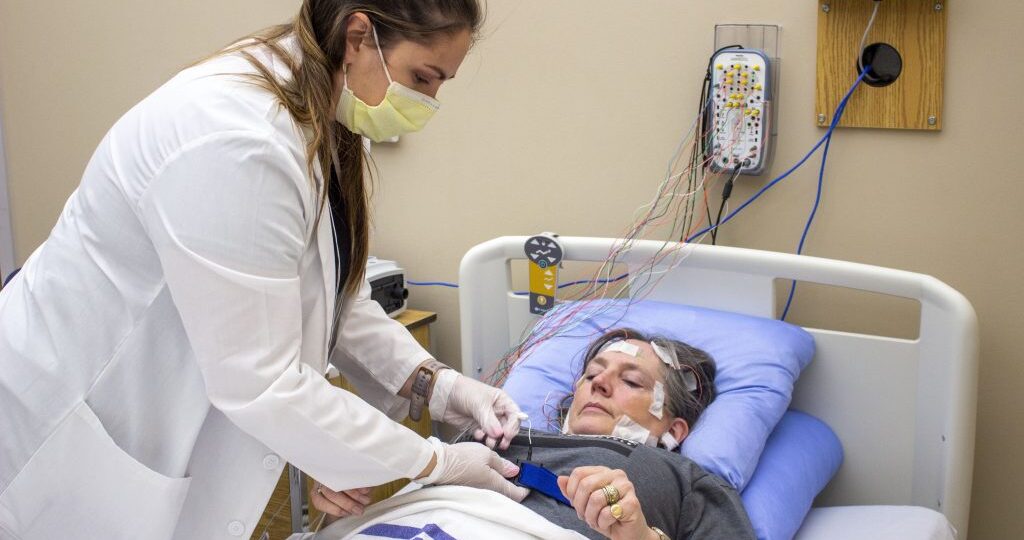
What they usually miss is full brain activity data (EEG), which is used to confirm sleep stages and precise sleep time. Without that, they may undercount or overcount event severity in borderline cases.
Who is a good candidate for a home sleep study in Canberra?
They are usually a good fit when someone has classic OSA symptoms like loud snoring, witnessed breathing pauses, waking unrefreshed, morning headaches, or excessive daytime sleepiness. They are also commonly recommended when the person does not have complex medical conditions that could distort results.
If their primary issue is likely breathing-related sleep disruption, a home study is often a practical first step.
When is an in-lab sleep study more appropriate than a home test?
In-lab studies are often preferred when symptoms suggest something beyond straightforward OSA. If they have suspected central sleep apnoea, parasomnias, nocturnal seizures, severe insomnia, or unusual movements at night, in-lab testing tends to be more definitive.
They may also be directed to a lab study if the home test is negative but symptoms remain strong, because a missed diagnosis can happen in mild or complex presentations.
Can a home sleep study give a false negative or underestimate severity?
Yes, false negatives and underestimation can occur, particularly in mild OSA. Because many home tests do not measure actual sleep stages, they may assume a longer sleep time than what occurred, which can dilute the calculated severity score.
Sensor issues also matter. If airflow sensors shift or the oximeter loses signal, the study might fail to capture events accurately, leading to incomplete or misleading data.
What should they do to improve the accuracy of their home sleep study?
They should follow setup instructions carefully and do a quick self-check before sleeping to ensure all sensors are secure. They should try to sleep as normally as possible, avoid alcohol close to bedtime unless instructed otherwise, and keep the device on for the full night.
If the service offers a support line, it helps to use it early if anything seems wrong. A repeat study is sometimes necessary, and that is not unusual.
How quickly can they get results in Canberra, and who interprets them?
Home sleep studies are often faster to organise than in-lab testing, which is a major reason people choose them. In many cases, results can be available within days, depending on device availability and reporting times.
Interpretation should be done by qualified clinicians using accepted scoring criteria. They should ensure the provider explains who reviews the data and what clinical oversight is included, because raw device output is not the same as a medical report. Click here to get about sleep study Brisbane: 6 reasons to get tested this year.
Is a home sleep study accurate enough to start CPAP treatment?
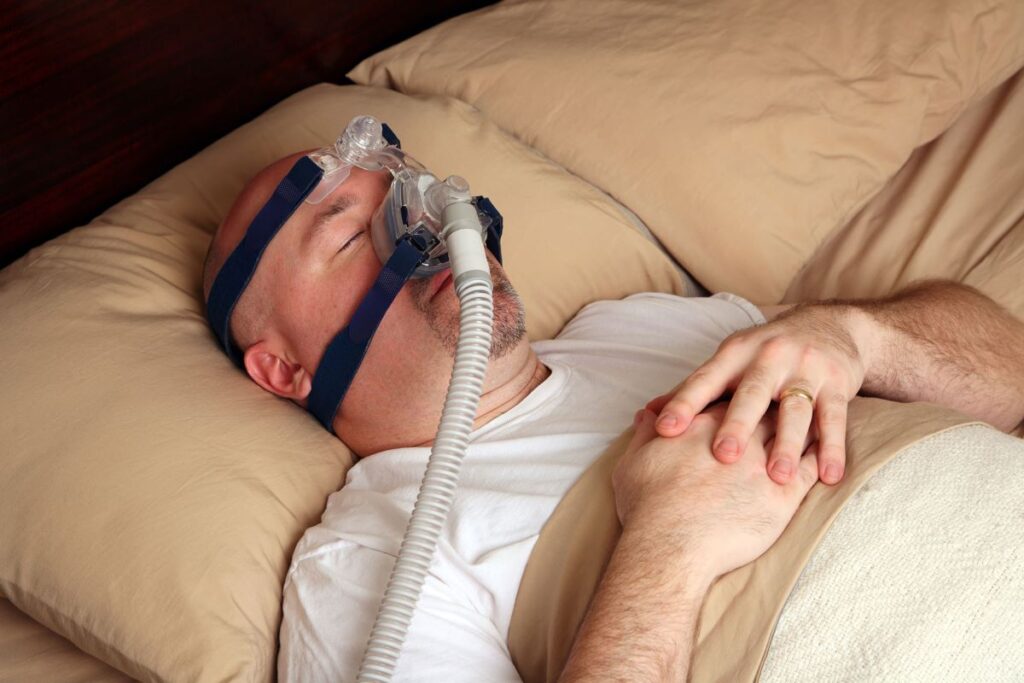
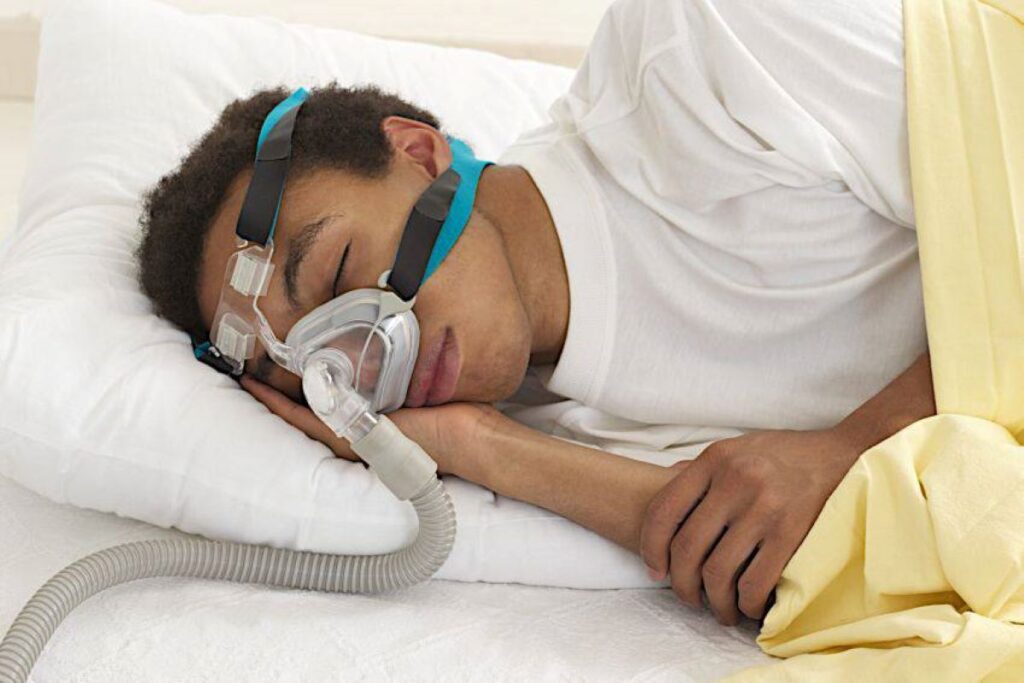
For moderate to severe OSA, home study results are often sufficient to support CPAP therapy when aligned with symptoms and clinical assessment. Many treatment pathways use home testing as a first-line tool, especially when access to lab studies is limited.
If results are borderline or symptoms do not match the findings, they may need further testing before committing to long-term therapy settings.
What is the bottom line on home sleep study accuracy in Canberra?
A home sleep study is often accurate enough for diagnosing obstructive sleep apnoea, especially in clear-cut and moderate to severe cases. It is less definitive for mild or complex sleep problems, where an in-lab study may be more appropriate.
If they choose a reputable provider and follow instructions carefully, a home sleep study can be a reliable, practical starting point for getting answers and moving toward treatment.
FAQs (Frequently Asked Questions)
Are home sleep studies accurate enough to diagnose obstructive sleep apnoea in Canberra?
Yes, home sleep studies are often accurate enough to confirm moderate to severe obstructive sleep apnoea (OSA) by measuring key indicators like breathing patterns, oxygen levels, and airflow. However, they may be less reliable for detecting mild OSA due to limitations in estimating actual sleep time and potential issues with sensor use.
What measurements does a typical home sleep study include and what limitations does it have?
A typical home sleep study measures airflow, respiratory effort, oxygen saturation, heart rate, snoring, and body position—data sufficient to identify breathing-related sleep disorders like OSA. However, it usually lacks brain activity monitoring (EEG), so it cannot precisely determine sleep stages or exact sleep time, which may affect accuracy in borderline cases.
Who is an ideal candidate for a home sleep study in Canberra?
Individuals exhibiting classic symptoms of obstructive sleep apnoea—such as loud snoring, witnessed breathing pauses during sleep, unrefreshing awakenings, morning headaches, or excessive daytime sleepiness—are good candidates. Home studies are also suitable when there are no complex medical conditions that might distort results and when breathing-related sleep disruption is the primary concern.
When should someone opt for an in-lab sleep study instead of a home test?
In-lab sleep studies are more appropriate if symptoms suggest conditions beyond straightforward OSA, such as central sleep apnoea, parasomnias, nocturnal seizures, severe insomnia, or unusual nighttime movements. They are also recommended if a home test returns negative but strong symptoms persist or if initial results are inconclusive or borderline.
Can home sleep studies produce false negatives or underestimate the severity of sleep apnoea?
Yes. False negatives and underestimation of severity can occur especially in mild OSA cases because many home tests estimate rather than directly measure actual sleep time. Sensor issues like displaced airflow sensors or lost oximeter signals can also lead to incomplete or inaccurate data capture.
How can patients improve the accuracy of their home sleep study results in Canberra?
To enhance accuracy, patients should carefully follow all setup instructions and perform a self-check to ensure sensors are secure before sleeping. Maintaining normal sleeping habits without alcohol close to bedtime (unless advised otherwise), keeping the device on throughout the night, and utilizing any available support services promptly if issues arise can significantly improve data quality. Sometimes a repeat study may be necessary and is not uncommon.