
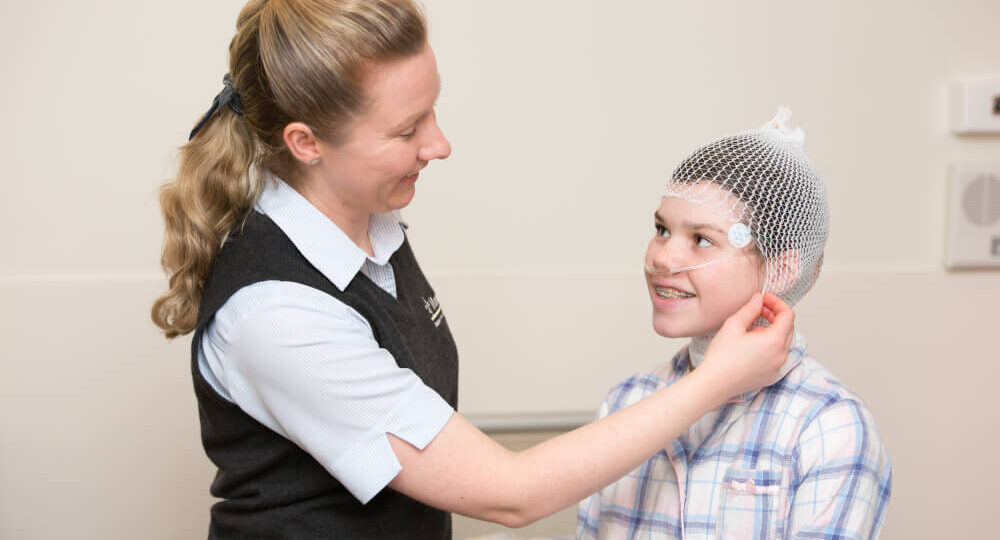
Sleep Study Brisbane: 6 Reasons to Get Tested This Year
A sleep study is not only for people who feel exhausted. It is also for people whose bodies are under strain at night without them realising it.
Why should they consider a sleep study in Brisbane even if they think their sleep is “fine”?
Because many sleep disorders are silent, a Sleep Study Brisbane clinic can help identify issues that aren’t obvious during normal daily activity. They can sleep eight hours and still have repeated breathing interruptions, low oxygen, or restless sleep cycles that prevent real recovery.
Common clues include loud snoring, waking with a dry mouth, morning headaches, and feeling unrefreshed. Even without obvious symptoms, partners often notice gasping, choking, or long pauses in breathing that the sleeper does not remember.
How can a sleep study help if they snore or their partner complains?
Because snoring is often the doorway symptom. A sleep study can separate “simple snoring” from obstructive sleep apnoea and other issues that need treatment.
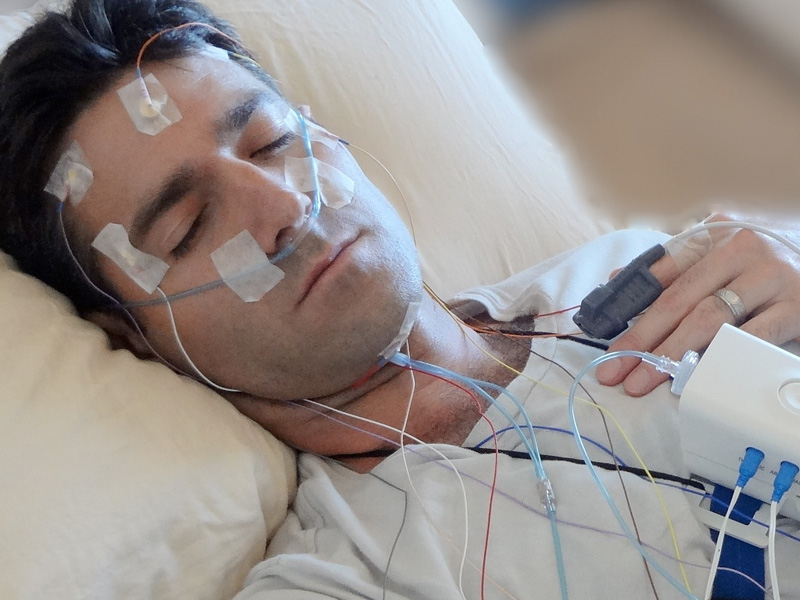
They do not have to guess based on noise alone. The test measures breathing, oxygen levels, sleep stages, and arousals. That makes it easier for a clinician to recommend the right next step, instead of trying random devices and hoping for the best.
Why is daytime fatigue a strong reason to get tested this year?
Because fatigue is frequently mislabelled. People blame work, parenting, caffeine dependence, or low motivation, when the real problem is fragmented sleep.
A sleep study can show whether they are repeatedly waking for seconds at a time, even if they never fully “wake up” in memory. Those micro-arousals add up. Once the cause is identified, treatment often improves energy, mood, and consistency across the week, not just on weekends.
How can getting tested reduce health risks they might not connect to sleep?
Because untreated sleep breathing problems can stress the body nightly. Repeated drops in oxygen and surges in effort can affect cardiovascular strain over time.
A sleep study gives objective data that clinicians can use to assess severity and urgency. For many people, seeing numbers makes the decision easier. It turns vague worry into a clear plan, whether that is CPAP, oral appliances, weight management support, positional therapy, or other clinician-led options.
Why should they take brain fog, irritability, and low mood seriously as sleep signals?
Because poor sleep quality affects concentration and emotional regulation. When sleep is disrupted, the brain gets less deep sleep and REM, which can show up as forgetfulness, anxiety-like symptoms, and low resilience.
A sleep study can confirm whether their sleep architecture is being disrupted. If it is, treatment is not only about “sleeping longer.” It is about sleeping in a way that restores cognitive function, steadies mood, and improves day-to-day decision making.
How does a sleep study help if they wake up often to use the bathroom or feel restless at night?
Because frequent night waking is not always “normal ageing” or “just fluids.” Sleep apnoea and related disruptions can increase nighttime urination and create a pattern of broken sleep.
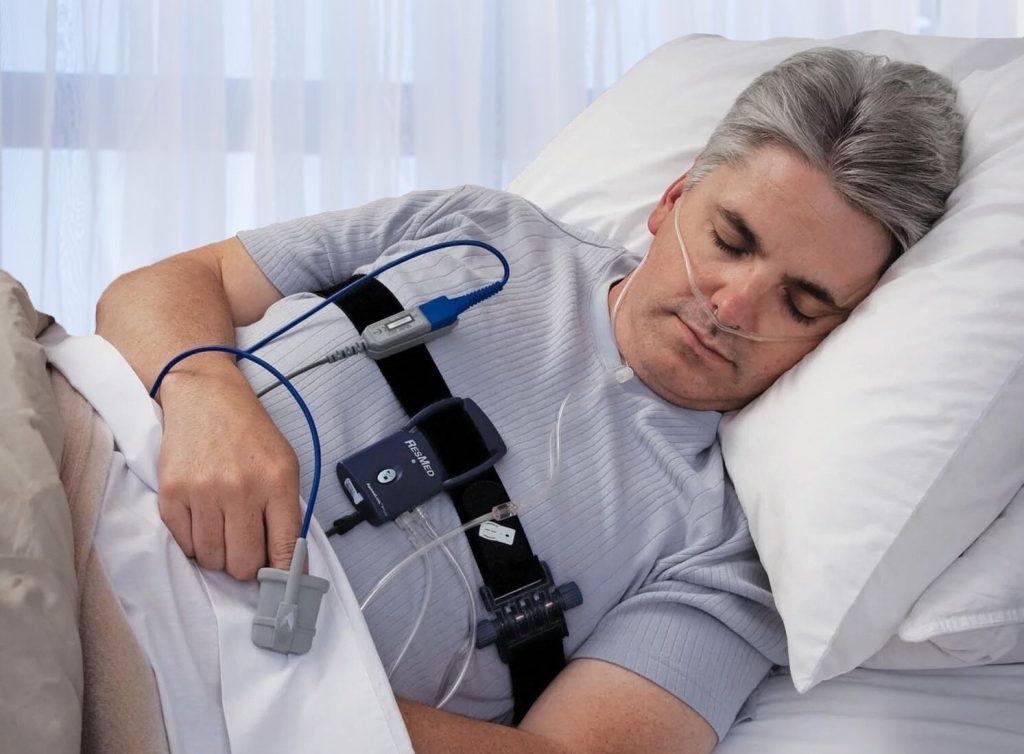
A study can also help identify limb movements or other disturbances that keep the nervous system on alert. The value is clarity. Instead of treating the symptom in isolation, they can address the driver of the disrupted nights. Click here to get about home sleep study Canberra: is it accurate enough?
Why is this year a smart time to get tested rather than waiting?
Because sleep issues tend to compound. People adapt to feeling “not great” and stop noticing how much it affects work, relationships, driving safety, and health habits.
A sleep study in Brisbane is also more convenient than many expect. Depending on the provider and clinical suitability, they may be offered an in-lab study or a home-based study with portable monitoring. Either way, testing replaces uncertainty with evidence, which is the fastest route to improvement.
What should they do next if they suspect they need a sleep study in Brisbane?
They should start with a GP or a sleep-focused provider and describe symptoms clearly, including snoring, witnessed pauses, choking, morning headaches, fatigue, and concentration issues. If they have wearable data, it can help, but it should not replace clinical testing.
Once results are in, they can discuss options and choose a treatment they can realistically stick with. The goal is not perfect sleep. It is stable, restorative sleep that improves how they function every day.
FAQs (Frequently Asked Questions)
Why should I consider a sleep study in Brisbane even if I think my sleep is fine?
Many sleep disorders are silent and can disrupt your sleep without obvious symptoms. Even if you sleep eight hours, repeated breathing interruptions, low oxygen levels, or restless sleep cycles can prevent real recovery. A sleep study in Brisbane can detect these issues early and guide effective treatment.
How can a sleep study help if I snore or my partner complains about my breathing at night?
Snoring is often a doorway symptom to more serious conditions like obstructive sleep apnoea. A sleep study measures breathing patterns, oxygen levels, sleep stages, and arousals to distinguish simple snoring from disorders needing treatment. This helps clinicians recommend the right next steps rather than guessing based on noise alone.
Why is daytime fatigue a strong reason to get tested for sleep problems this year?
Daytime fatigue is frequently mislabelled and blamed on work stress or lifestyle factors when the real cause may be fragmented sleep due to micro-arousals during the night. A sleep study can identify these disruptions, and once treated, many people experience improved energy, mood, and consistency throughout the week.
How can undergoing a sleep study reduce health risks linked to poor sleep?
Untreated sleep breathing problems cause repeated drops in oxygen and increased cardiovascular strain over time. A sleep study provides objective data that helps clinicians assess severity and urgency, enabling tailored treatments such as CPAP or oral appliances that reduce health risks associated with disrupted sleep.
Why should symptoms like brain fog, irritability, and low mood be taken seriously as indicators of poor sleep?
Poor sleep quality affects concentration and emotional regulation by reducing deep and REM sleep stages. This manifests as forgetfulness, anxiety-like symptoms, and low resilience. A sleep study can confirm disruptions in your sleep architecture so that treatment focuses on restoring cognitive function and stabilizing mood.
What steps should I take if I suspect I need a sleep study in Brisbane?
Start by consulting your GP or a sleep-focused provider and clearly describe symptoms such as snoring, witnessed breathing pauses, morning headaches, fatigue, or concentration difficulties. Clinical testing through a professional sleep study is essential for accurate diagnosis and effective treatment planning tailored to your needs.